
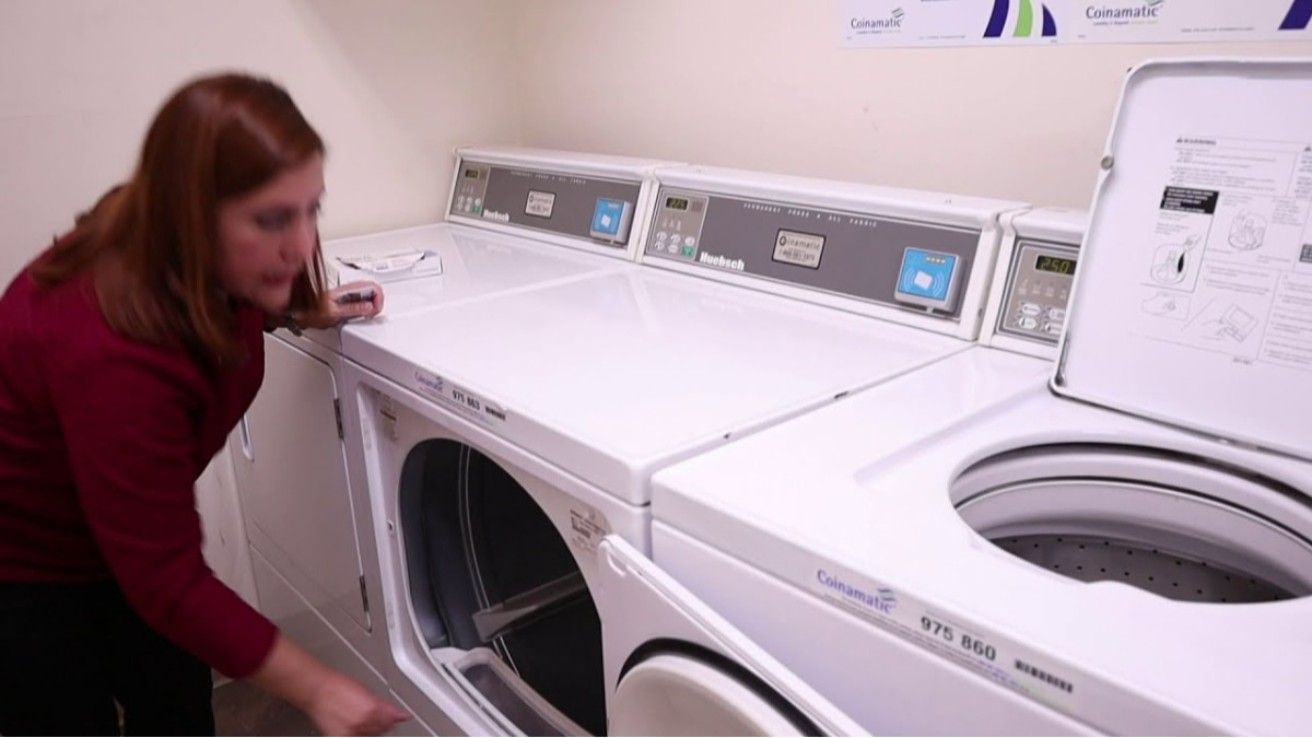
Facing washer motor issues? Discover common causes, warning signs, and simple fixes to get your washing machine running smoothly again.
What Are Washer Motor Issues in Washing Machines?
Washer motor issues refer to any fault that affects how the motor powers your washing machine’s essential functions, including spinning and agitation. The motor is the heart of the appliance—when it struggles, the entire system is impacted. Common washing machine motor problems include reduced power, inconsistent spinning, or complete motor failure.
Often, these issues develop gradually. A faulty washing machine motor may first cause slower spin cycles or weak agitation before progressing to more noticeable breakdowns. Causes often include normal wear and tear, electrical faults, or strain from frequent overloading.
Understanding washer motor issues at this stage allows you to act early. Rather than waiting for complete failure, you can troubleshoot the problem, apply simple fixes, and extend the life of your washing machine.
Common Signs of Washer Motor Issues You Shouldn’t Ignore
Recognizing washer motor issues early can save you time, money, and frustration. Here are the most common signs to watch for:
- Washer not spinning properly: The drum may stop mid-cycle or rotate weakly.
- Washing machine not agitating: Clothes aren’t being cleaned effectively due to insufficient drum movement.
- Humming or grinding noises: Indicates motor strain, worn bearings, or belt issues.
- Burning smell or overheating motor: Overworked motors can emit a distinct odor.
- Clothes remain wet after the cycle: Motor issues may prevent proper spinning.
Other subtle signs include slow spinning, excessive vibration, or cycles stopping prematurely. These often point to worn carbon brushes, loose wiring, or faulty capacitors. Addressing these signs promptly can prevent full motor failure and costly repairs.

Main Causes of Washer Motor Issues Explained
Understanding the root causes of washer motor issues is key to resolving them effectively. Here are the most common reasons your washing machine motor may fail:
Worn Carbon Brushes
These small components conduct electricity to the motor. Over time, they wear down, reducing power or causing intermittent operation.
Drive Belt or Motor Coupling Problems
The belt or coupling connects the motor to the drum. If damaged, the motor may run but the drum won’t spin.
Electrical Failures
Faulty wiring, blown fuses, or capacitor issues can prevent the motor from receiving proper power, causing humming without spinning or complete failure.
Overloading the Washer
Excessive weight strains the motor, causing overheating and reduced efficiency.
Motor Burnout or Age
Most washer motors last 5–10 years. Older motors may fail suddenly or show signs like weak spinning or unusual noises.
Identifying the cause helps determine whether a simple repair, like replacing brushes or a belt, is sufficient, or if a full motor replacement is necessary.
How to Diagnose Washer Motor Issues at Home
Diagnosing washer motor issues doesn’t always require professional tools. Here are steps to identify problems early:
- Listen for unusual noises: Humming, grinding, or banging often indicates motor strain.
- Check drum movement: If the drum is hard to turn manually, the motor coupling or bearings may be damaged.
- Inspect the drive belt and coupling: Look for looseness, fraying, or breakage.
- Check electrical connections: Ensure wiring is secure and undamaged. Use a multimeter if available.
- Overheating check: Feel the motor after a short cycle. Excessive heat or a burning smell signals potential failure.
Early diagnosis helps determine if issues are minor or if professional repair or replacement is needed.
Easy Fixes for Washer Motor Issues (DIY Guide)
Many washer motor issues can be resolved with simple DIY fixes:
- Reset the washing machine: Unplug for 5–10 minutes to clear electrical glitches.
- Reduce load size: Overloading strains the motor and causes overheating.
- Replace a faulty drive belt: Inspect and replace frayed or broken belts.
- Fix loose wiring connections: Tighten or replace damaged wires.
- Clean internal components: Dust, lint, and detergent buildup can obstruct motor function.
Minor issues like these can often be resolved without professional help. Persistent overheating, unusual noises, or motor failure may indicate more serious problems such as motor burnout.
Washer Motor Repair vs Replacement – What’s Better?
Choosing between repair and replacement depends on the severity of the motor problem and the washer’s age:
Repair: Ideal for minor issues like worn brushes, loose belts, or small electrical faults. Repairs are cost-effective and extend motor life.
Replacement: Necessary for burnt-out motors, damaged rotors, or older machines beyond their typical 5–10 year lifespan. While more expensive, replacement ensures reliable long-term performance.
Decision Factors: Repair minor faults on newer washers; replace severely damaged or old motors for durability.
Preventing Washer Motor Issues in the Future
Prevention can save money and extend your washer motor’s life:
- Avoid overloading: Follow recommended load limits.
- Clean drum and filters regularly: Prevent lint and detergent buildup.
- Use proper detergent and cycle settings: Avoid overworking the motor.
- Schedule routine inspections: Check belts, couplings, and wiring periodically.
- Avoid frequent short cycles: Allow the washer to cool between cycles to prevent overheating.
Proactive care reduces wear, keeps the motor running efficiently, and prevents common washer motor issues.
FAQs About Washer Motor Issues
Q1: What are the most common washer motor issues?
Common issues include the washer not spinning, not agitating, overheating, making unusual noises, or failing to start.
Q2: Why is my washer not spinning but making noise?
The motor may run, but a loose or broken belt, damaged coupling, or worn internal components can prevent the drum from turning.
Q3: How do I fix washer motor issues at home?
Minor issues can be fixed by reducing load size, resetting the washer, replacing a drive belt, cleaning components, or tightening loose wiring.
Q4: How long does a washing machine motor last?
Most motors last 5–10 years depending on use and maintenance.
Q5: Is it worth repairing washer motor issues?
Repair is cost-effective for minor faults or newer washers; replacement may be better for older or severely damaged motors.
Q6: What causes washer motor issues frequently?
Overloading, poor maintenance, electrical faults, worn belts, and natural wear are frequent causes.
Conclusion
Washer motor issues can disrupt your laundry routine, but understanding the causes, symptoms, and fixes puts you in control. Simple DIY fixes like reducing load size, replacing belts, or cleaning components can resolve minor problems, while serious faults may require professional repair or replacement. Regular maintenance and mindful usage help prevent future issues, ensuring your washing machine runs efficiently and prolonging the life of your motor.

Leave a Reply