
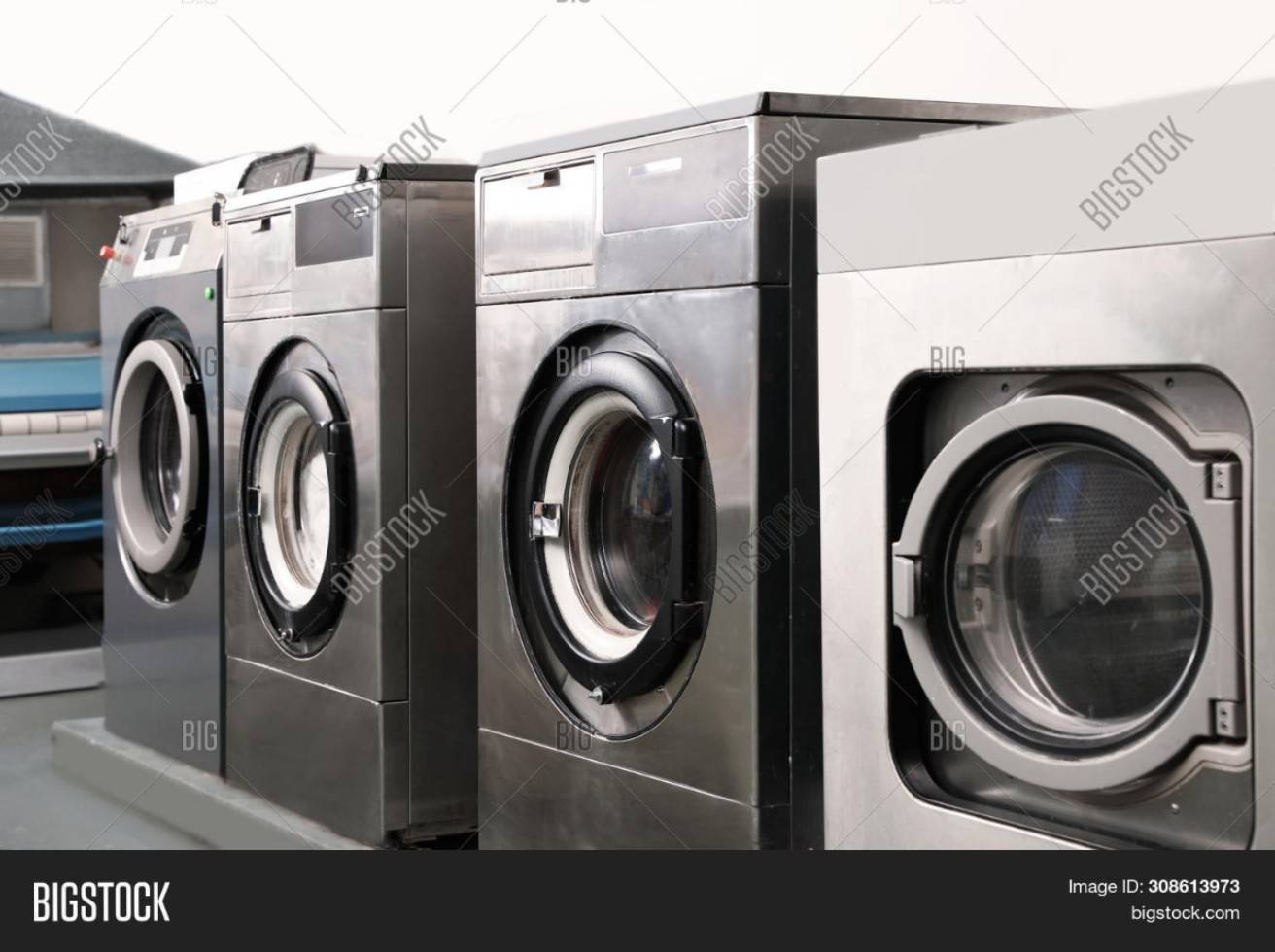
DIY Washer Fix Tips to troubleshoot and repair your washing machine fast. Learn simple, step‑by‑step fixes to save time and money on washer repairs.
Introduction – Save Time & Money with DIY Washer Fix Tips
Is your washing machine acting up again? A washer that won’t start, drain, or spin properly can throw your daily routine into chaos—and calling a professional repair service every time can be expensive. That’s where DIY Washer Fix Tips come in. With the right approach, common washer problems like leaks, drainage issues, or strange noises can often be fixed at home, saving both time and money.
In this guide, we’ll walk you through step-by-step washer fixes and troubleshooting methods, covering everything from a washer that won’t start to one that leaks water during a cycle. Along the way, you’ll learn how to inspect hoses, clean filters, interpret washer error codes, and perform simple maintenance to prevent problems before they start.
Whether you own a top-load or front-load washer, this DIY washer repair troubleshooting guide is designed for homeowners who want practical, hands-on solutions without complicated jargon. By following these expert tips, you’ll gain confidence in handling common washer problems, keep your machine running efficiently, and reduce the risk of costly repairs.
Tools & Safety Checklist Before You Begin
Before you dive into any DIY washer repairs, preparation is key. Attempting fixes without the right tools or safety precautions can turn a simple problem into a bigger issue. Following these DIY Washer Fix Tips ensures that you work efficiently while staying safe.
Essential Tools for Washer Repair
- Screwdrivers and Pliers: For opening panels, removing screws, and handling small components.
- Multimeter: A must-have for testing electrical circuits and identifying faulty switches or motors.
- Bucket and Towels: To catch water from hoses or leaks during maintenance.
- Flashlight: Many washer components are hidden in dark areas, so proper lighting is essential.
- Wrench Set: Useful for loosening or tightening water hoses and fittings.
Safety Precautions
- Disconnect Power: Always unplug your washer before starting any repair to prevent electric shock.
- Turn Off Water Supply: Shut off both hot and cold water valves to avoid flooding your laundry area.
- Wear Protective Gloves: Hoses, edges, and filters can be sharp or slippery.
- Check for Residual Water: Even when unplugged, washers can contain water. Use towels or a bucket to prevent spills.
Having these tools and following these safety measures is the first step in successful DIY washer repair troubleshooting. With everything ready, you’ll be able to tackle common washer problems confidently, from a washer not filling to leaks and error codes, without unnecessary risk.
Quick DIY Troubleshooting – Step‑by‑Step Fixes
Washer Won’t Start
A washer that won’t start is one of the most common frustrations. Before panicking, check these key areas:
- Power Supply: Make sure the washer is plugged in and the circuit breaker hasn’t tripped.
- Lid or Door Switch: Most washers won’t operate if the lid or door isn’t properly closed. Test for continuity using a multimeter.
- Control Panel or Timer: Inspect for visible damage, burnt components, or error indicators.
By following these steps, you can often identify the problem without professional help. These DIY washer repair troubleshooting tips are effective for both front-load and top-load models.
Washer Not Filling or Overfilling
If your washer doesn’t fill with water or overfills, the likely culprits are:
- Water Inlet Valves: Inspect hoses for kinks and valves for blockages.
- Pressure Switch: Ensures the washer stops filling at the correct level. A faulty switch may need replacement.
- Hoses & Connections: Tighten or replace any loose or damaged hoses.
Performing these checks is part of the washer troubleshooting guide and helps prevent flooding and uneven wash cycles.
Washer Not Draining
When your washer doesn’t drain, it can leave clothes soaked and machine components stressed:
- Drain Hose: Remove any clogs or debris.
- Pump Filter: Clean the filter to restore proper drainage.
- Pump Function: If the pump motor is faulty, replacement may be necessary.
Addressing drainage issues promptly reduces wear on the motor and prevents leaks. Incorporate DIY washer repair troubleshooting tips to safely resolve these problems.
Washer Not Spinning or Agitating
A washer that refuses to spin or agitate can be caused by several factors:
- Unbalanced Load: Redistribute laundry to balance the drum.
- Drive Belt: Inspect for wear and replace if broken.
- Lid Switch or Motor Coupling: Test with a multimeter and replace if defective.
Following these step-by-step washer fixes ensures your machine completes cycles properly and reduces noise and vibration.
Washer Leaking Water
Leaks can originate from hoses, seals, or internal components:
- Hoses: Check for cracks, loose connections, or clogs.
- Door Seal (Front-Load Washers): Inspect for mold, tears, or deformation.
- Internal Components: Occasionally, the tub seal or water pump may fail.
Using these DIY Washer Fix Tips, you can often stop leaks before they cause water damage. Regular maintenance and inspection help prevent future issues.
Advanced Fixes for Common Washer Parts
Replace Drive Belt or Motor Coupling
If your washer doesn’t spin or agitate despite a balanced load, a worn drive belt or faulty motor coupling is often to blame.
How to Fix:
- Unplug the washer and turn off the water supply.
- Remove the back or front panel to access the belt or coupling.
- Inspect the belt for cracks, fraying, or stretching. Replace if damaged.
- For motor couplings, check for broken or worn pieces. Remove the old coupling and install the replacement carefully.
- Reassemble the washer and test with a small load.
These step-by-step washer fixes prevent further stress on the motor and ensure smooth operation.
Cleaning & Replacing Filters
Clogged filters are a common cause of drainage issues, leaks, and unusual noises. Regular cleaning keeps your washer running efficiently.
- Turn off the power and water supply.
- Locate the pump filter (usually at the front or bottom of the washer).
- Remove debris, lint, or small objects. Rinse the filter under running water.
- For washers with multiple filters, check water inlet filters as well.
This simple maintenance step is part of effective DIY washer repair troubleshooting and can prevent many common washer problems.
Fixing Error Codes on Modern Washers
Modern washers display error codes to indicate problems. Understanding them can save time and help target repairs:
- Check the washer’s manual or manufacturer website for code definitions.
- Common codes indicate issues with water supply, drainage, door lock, or sensor malfunctions.
- Once identified, follow step-by-step washer fixes to resolve the underlying issue.
Using these advanced tips alongside basic troubleshooting ensures your washer runs reliably and prevents repeated breakdowns.
Maintenance & Prevention Tips
Preventing problems is always better than fixing them, and these DIY Washer Fix Tips include simple maintenance practices that keep your washer performing at its best.
- Clean Filters and Hoses Regularly: Check the pump filter and water inlet filters monthly. Inspect hoses for cracks or kinks.
- Level Your Washer: Ensure the drum spins smoothly to avoid vibrations and wear.
- Avoid Overloading: Follow the manufacturer’s guidelines and evenly distribute laundry.
- Descale and Clean the Drum: Remove mineral deposits and detergent residue with a hot cycle and descaling solution.
- Use Proper Detergent and Amount: Prevent clogs and mold by using the correct detergent type and amount.
- Inspect for Wear & Tear: Periodically check belts, seals, and moving parts.
These maintenance practices minimize washer troubleshooting problems, prevent frequent repairs, and extend appliance life.
When to Call a Professional
While many DIY Washer Fix Tips cover common problems, some issues require professional expertise:
- Persistent Electrical or Control Issues: Repeated error codes or damaged control panels require a licensed technician.
- Major Leaks or Flooding: Large leaks from internal components like the tub seal or water pump need professional repair.
- Unusual Noises or Vibrations: Excessive noise after checking load balance or belts may indicate internal mechanical failures.
- Complex Parts Replacement: Motors, control boards, and advanced components are best handled by experts.
Knowing the limits of DIY repair is an important part of washer troubleshooting.
FAQ – DIY Washer Fix Tips
Q1: How do I troubleshoot a washer that won’t start?
Check power supply, lid/door switch, and control panel. Many startup issues can be fixed without a professional using DIY washer repair troubleshooting tips.
Q2: Why is my washer not draining water?
Clogged hoses, a blocked pump filter, or a malfunctioning pump are common causes. Cleaning filters and inspecting hoses usually resolves this issue.
Q3: What causes my washer to leak water?
Leaky washers often result from worn hoses, loose connections, or damaged seals. Regular inspection prevents leaks.
Q4: How do I fix a washer that won’t spin?
Check for unbalanced loads, worn drive belts, or faulty lid switches. Redistribute laundry and replace worn parts as needed.
Q5: How can I prevent future washer problems?
Clean filters, level the washer, avoid overloading, descale the drum, and use correct detergent. Preventive care is a top DIY Washer Fix Tip.
Q6: What do washer error codes mean?
Codes indicate issues like water supply errors, drainage problems, or door lock faults. Consult your manual and apply step-by-step washer fixes to correct the problem.
Q7: When should I call a professional?
For persistent electrical issues, major leaks, unusual noises, or complex part replacements, hire a licensed technician.

Leave a Reply