
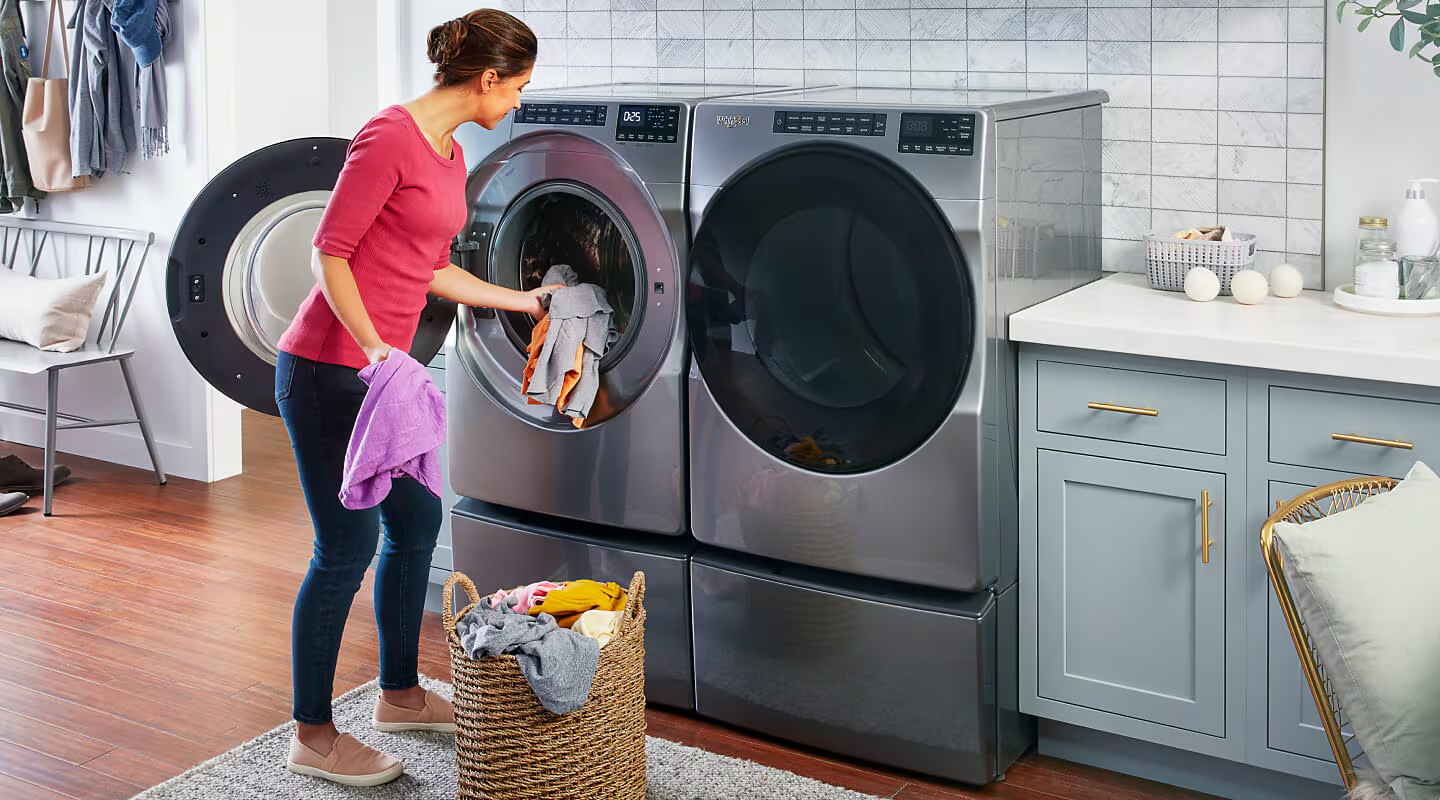
10 proven ways on how to extend washing machine life with expert tips on cleaning, maintenance, load balance, and professional servicing.
10 Expert Tips on How to Extend Washing Machine Life
Washing machines are essential home appliances, but many owners overlook simple steps to extend washing machine life. Premature wear often comes from overloading, excessive detergent, or skipping routine maintenance. Fortunately, following the right practices can significantly increase your washer’s lifespan, improve efficiency, and prevent costly repairs. This guide provides actionable tips, from cleaning routines to professional servicing, designed to keep your washing machine running smoothly for years.
Understand the Typical Lifespan of a Washing Machine
Most modern washers last 7–10 years, but usage, water quality, and maintenance habits play a big role. Overloading, harsh detergents, or neglecting care can shorten a machine’s life, while routine maintenance extends it. Understanding your washer’s expected lifespan helps you make smarter choices about load sizes, cycle selection, and cleaning frequency, ensuring long-term reliability.
How to Choose the Right Detergent and Amount
Using the correct detergent is critical. High-efficiency (HE) detergents are recommended for front-load machines, while excess detergent can cause residue buildup, odors, and motor strain. Always measure detergent based on load size and soil level. Regularly clean the detergent drawer to prevent clogs. Proper detergent use improves cleaning results and protects your machine, contributing directly to washing machine longevity.

Avoid Overloading Your Washing Machine
Overloading strains the motor, drum, and belts, leading to vibration and premature wear. Fill the drum about three-quarters full, and split bulky items like blankets into smaller loads. Balanced loads prevent damage and ensure better washing performance, helping you prolong the lifespan of your washing machine.
Why Cleaning the Drum and Filters Regularly Matters
Monthly maintenance washes with hot water and vinegar or baking soda remove detergent residue, dirt, and bacteria. Cleaning the drum, lint filter, and detergent drawer prevents clogs, reduces odors, and keeps the motor and pump running smoothly. For front-load washers, wipe the rubber gasket to prevent mold growth. Regular cleaning protects internal components and improves washing machine performance and durability.
How Inspecting and Replacing Hoses Prevents Damage
Water inlet and drain hoses wear over time. Cracks or leaks can cause water damage and strain the pump. Inspect hoses every few months and replace them every 3–5 years. Tight connections and durable hoses reduce the risk of bursts, helping to extend your washing machine life.
The Importance of Balanced Loads and Gentle Cycles
Distributing laundry evenly reduces vibration and protects the drum, motor, and suspension system. Use gentle cycles for delicate fabrics and cold water for regular loads to minimize stress on internal components. Proper load management and cycle selection are simple ways to maximize washing machine lifespan.
Run Monthly Maintenance Washes to Remove Residue
Performing empty maintenance washes helps dissolve soap scum, bacteria, and mineral buildup. This practice keeps internal components clean, reduces odor, and prevents strain on the motor and pump. Combined with regular cleaning of the detergent drawer and lint filter, maintenance washes play a crucial role in keeping your washing machine efficient and long-lasting.
Keep the Door Open After Each Wash
Leaving the washer door or lid open after a cycle allows air circulation, preventing moisture buildup and mold growth. This protects rubber seals, reduces odors, and improves hygiene. A simple habit like this contributes significantly to prolonging the life of your washing machine.

Use the Correct Wash Settings for Different Fabrics
Select cycles appropriate for fabric type to reduce stress on the drum and motor. Delicate cycles for fine fabrics and proper spin speeds for bulky items prevent excessive wear. Cold water washes also reduce thermal stress, keeping internal components in better condition and enhancing washing machine longevity.
Schedule Annual Professional Servicing
Professional servicing inspects the motor, drum, belts, and seals, detecting early signs of wear. Annual check-ups prevent costly repairs and ensure optimal performance. Combining professional servicing with regular home maintenance is the most effective way to maximize washing machine lifespan.
FAQs – How to Extend Washing Machine Life
Q1: What is the average lifespan of a washing machine?
A: Typically 7–10 years, but proper care can extend it.
Q2: How often should I clean my washing machine drum?
A: Once a month with hot water and vinegar or a washing machine cleaner.
Q3: Does overusing detergent damage my washer?
A: Yes. Excess detergent causes buildup, motor strain, and reduces efficiency.
Q4: Can balanced loads prevent vibration and damage?
A: Absolutely. Proper load distribution protects the drum, motor, and bearings.
Q5: Should I keep the washer door open after use?
A: Yes. It prevents moisture buildup, mold, and seal damage.
Conclusion
By following these ten expert tips, using correct detergent, avoiding overloading, cleaning regularly, inspecting hoses, balancing loads, selecting appropriate cycles, and scheduling professional servicing, you can extend washing machine life. Small daily habits and proactive maintenance keep your washer efficient, prevent breakdowns, and save money, ensuring years of reliable performance.

Leave a Reply