
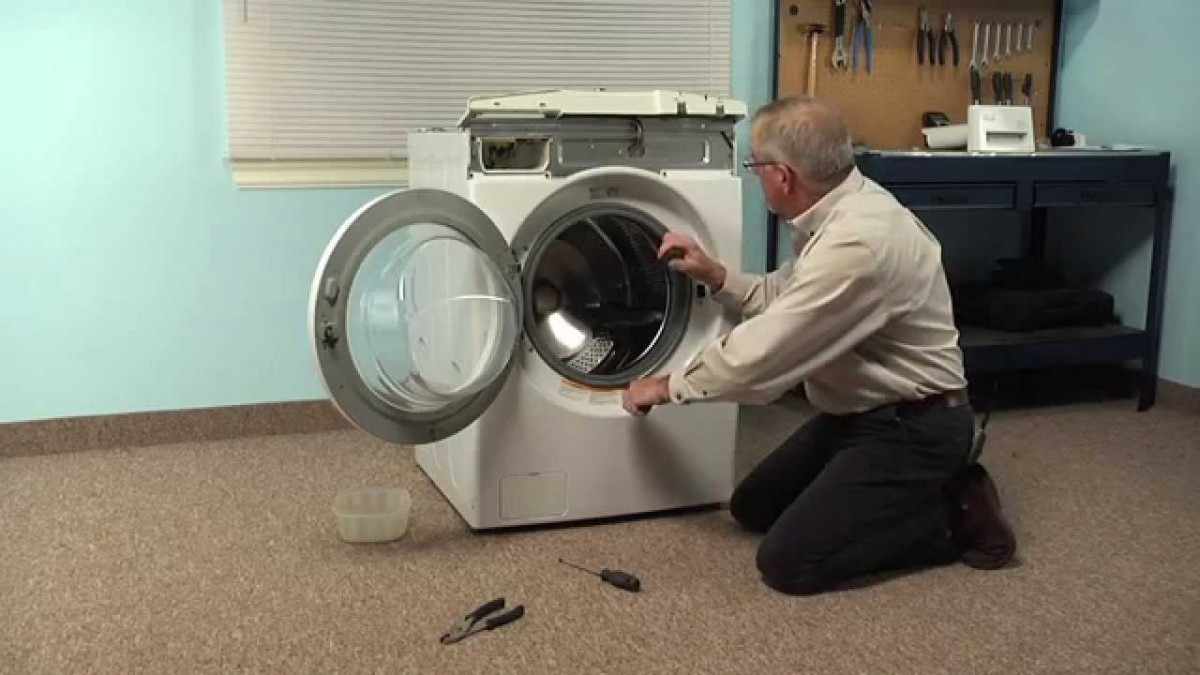
Top Load Washer Troubleshooting with expert DIY repair tips, error code fixes, part inspections, and maintenance advice for top-loading washers.
Why Top Load Washer Troubleshooting Matters
A top load washer is an essential household appliance, but even the best machines can encounter issues over time. Understanding Top Load Washer Troubleshooting is key to saving money, extending appliance life, and preventing costly repairs. Whether your washer won’t start, won’t fill, refuses to spin, or makes unusual noises, identifying the root cause quickly is critical.
This guide provides step-by-step DIY washer repair instructions, preventive maintenance tips, and expert advice on interpreting washer error codes. By following this guide, you can troubleshoot problems with confidence, from inspecting the lid switch and motor coupler to checking the water inlet valve and drain pump. Implementing these solutions helps maintain optimal washer performance and avoids unnecessary service calls.
How Top Load Washers Work
Understanding how a top load washer functions is essential for effective Top Load Washer Troubleshooting. Most washers use either a direct-drive system, connecting the motor directly to the drum, or a belt-drive system that uses a belt to transfer motion. Each system has potential failure points.
Key components include:
-
Agitator: Moves clothes to ensure thorough cleaning; malfunctions can affect detergent distribution.
-
Lid Switch: Prevents operation when the lid is open; a faulty switch may stop the washer from starting or spinning.
-
Motor Coupler / Drive Belt: Transfers power from the motor to the drum; worn parts prevent spinning or agitation.
-
Water Inlet Valve & Pressure Switch: Control water flow; clogs or electrical faults can stop the washer from filling.
-
Drain Pump & Filter: Remove water; clogs prevent draining and spinning.
-
Control Board / Timer: Manages cycle timing and sequencing; faults trigger washer error codes.
By understanding these components, you can accurately identify the cause of leaks, unusual noises, incomplete cycles, or vibration issues.
Common Top Load Washer Problems & Symptoms
Washer Won’t Start
Caused by a faulty lid switch, blown fuses, tripped breakers, or control panel issues. Testing or replacing the lid switch usually resolves this issue.
Washer Won’t Fill With Water
Often due to clogged water inlet valves, kinked hoses, low water pressure, or pressure switch failure. Cleaning or replacing the valve fixes most filling problems.
Washer Won’t Drain or Spin
Blocked drain hoses, faulty drain pumps, or worn motor couplers prevent proper drainage and spinning. Regular inspection and maintenance can prevent recurring issues.
Excessive Vibration or Noise
Unbalanced loads, worn suspension rods, or drum bearings cause vibration and loud noises. Leveling the washer and replacing worn parts restores smooth operation.
Clothes Still Wet After Cycle
Failures in the spin cycle, lid switch, or motor coupling can leave laundry soaking wet. Inspecting these components resolves the problem.
Odors or Detergent Residue
Build-up from excessive detergent or poor cleaning creates odors and residue. Regular drum and gasket cleaning with HE detergent prevents these issues.
DIY Troubleshooting & Repair Tips
Lid Switch Replacement
Unplug the washer, locate the lid switch, test with a multimeter, and replace if faulty. This often fixes washers that won’t start or spin.
Motor Coupler Replacement
Access the motor coupler between the motor and transmission. Remove the worn part and replace it to restore spinning and agitation.
Water Inlet Valve Fix
Turn off water, inspect the inlet valve for debris, replace if necessary, and restore proper filling.
Drain Pump & Hose Cleaning
Remove the drain hose and pump, clear clogs, and reinstall. This resolves draining and spinning problems.
Belt & Drive System Repair
For belt-drive washers, inspect and replace worn belts to restore motion.
Timer & Control Board Diagnostics
Check connections and fuses with a multimeter. Replace malfunctioning components to fix mid-cycle stops or washer error codes.
Preventive Maintenance for Top Load Washers
-
Clean the drum, dispensers, and gasket monthly to prevent odors and residue.
-
Use HE detergent in proper amounts to avoid buildup.
-
Level the washer and distribute laundry evenly to reduce vibration.
-
Inspect hoses, valves, and drains annually for leaks or clogs.
-
Run a maintenance wash monthly to remove buildup.
Tools & Materials Needed
Tools: Screwdrivers, pliers, socket set, multimeter, flashlight.
Parts: Lid switch, motor coupler, drive belt, water inlet valve, drain pump, suspension rods.
Safety: Gloves, goggles, and towels for water spills.
When to Call a Professional
Call a professional for:
-
Persistent error codes
-
Repeated mechanical failures
-
Control board or timer issues
-
Leaks or water damage
-
High-voltage or complex repairs
FAQs Top Load Washer Troubleshooting
Q1: Why won’t my washer start?
A: Check lid switch, fuses, and control panel. Replace faulty parts.
Q2: Why won’t it fill with water?
A: Inspect water inlet valve, hoses, and water pressure. Clean or replace valve.
Q3: Why won’t it drain or spin?
A: Clear drain pump clogs, inspect motor coupler or belt.
Q4: How to fix vibration or noise?
A: Level washer, redistribute laundry, replace worn suspension rods.
Q5: How to prevent odors?
A: Clean drum, gasket, and dispensers monthly; use proper detergent.

Leave a Reply